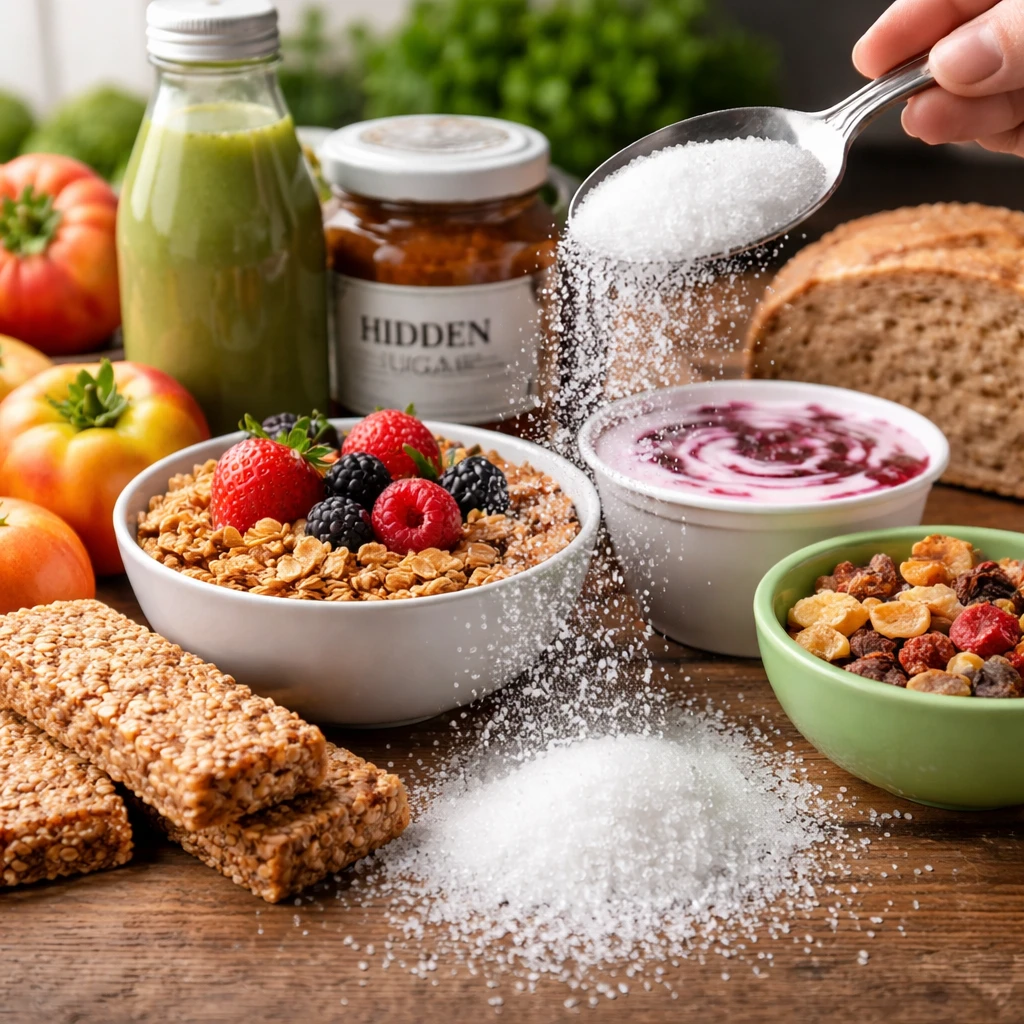

In the modern supermarket landscape, shoppers often pride themselves on opting for items that seem healthier, such as granola rich in protein instead of glazed pastries, or low-fat yogurts bearing "made with real fruit" claims. Similarly, organic plant-based milks and bottled smoothies marketed as "superfoods" are perceived as prudent choices. Yet, beneath these appealing labels often lurks an undesirable truth: these products may contain significant amounts of added sugars.
Nicole Avena, a neuroscience and psychiatry professor affiliated with Mount Sinai Medical School and Princeton University who specializes in research on added sugars, advises caution. She notes that the marketing language used by many companies frequently diverts attention away from the sugar content within these so-called health-forward foods. While some brands increasingly recognize consumer concerns regarding the health implications of added sugars, larger industry players seem less focused on such welfare considerations.
Recognizing hidden added sugars requires diligent label reading and awareness of how these sugars are disguised. Excess consumption of sugar, alongside saturated fat and sodium, correlates with increased risks of cardiovascular disease, obesity, diabetes, and other health issues. Data from the American Heart Association indicate that the typical American diet includes roughly 17 grams of added sugar daily, totaling approximately 57 pounds (26 kilograms) per year. Approximately half of these sugars derive from beverages, but many other commonly consumed items—such as cereals, sauces, prepared sandwiches, dairy products, bottled condiments, baked goods, and even numerous varieties of whole-grain bread—also conceal added sugars.
To manage sugar intake effectively, consumers should utilize nutrition labels as a primary resource. Food producers have been mandated since 2021 to list added sugars distinctly from total sugars. However, this regulatory adjustment has had unintended consequences. While manufacturers reduced traditional sweeteners like refined beet sugar and high-fructose corn syrup, they simultaneously introduced alternative sweetening agents, including monk fruit and erythritol. These substitutes are exempt under current FDA regulations from classification as added sugars, leading to products that may actually be sweeter than before.
Dietitian and professor Collin Popp from NYU Langone Health emphasizes that the existing FDA guidelines allow individuals to consume up to 10% of their daily calories from added sugar, approximately 50 grams within a 2,000-calorie diet. This is roughly equivalent to the sugar content in a standard soda can. However, Popp suggests that even this threshold might be too lenient, recommending that intake be limited to less than 5%, and ideally near zero for individuals with diabetes or prediabetes.
Popp underlines the necessity of vigilance when selecting products, cautioning against assumptions of healthfulness based solely on organic certifications or clean label marketing. Items such as roasted nuts, plant-based milks, and wasabi peas can contain surprisingly high sugar levels. For instance, Chobani brand black cherry yogurt contains no fat yet includes 9 grams of added sugar—equivalent to more than 2 teaspoons. Similarly, Silk almond milk has 7 grams of added sugar per cup.
To exert greater control over sugar consumption, Popp advocates for preparing foods personally, such as purchasing plain yogurt and sweetening it with natural ingredients like honey or fresh berries. When ordering beverages such as coffee, consumers might consider asking for unsweetened plant-based milk to limit sugar additives.
Regarding alternative sweeteners, while substances like stevia and sugar alcohols reduce the caloric impact of foods, they do not necessarily present better options. Avena notes these sweeteners can perpetuate overeating tendencies because it is the perceived sweetness—not sugar itself—that activates the brain's reward systems. Nonetheless, certain alternatives like allulose may have medical applications, particularly for individuals with Type 1 diabetes, because they do not elevate blood glucose levels. For the general population, reducing overall sweetness preference is a recommended approach to improve health outcomes.
Ultimately, consumers are encouraged to avoid deferring entirely to food manufacturers’ determinations of acceptable sugar levels in their diets. Informed personal choices and scrutiny remain paramount to managing sugar intake effectively.