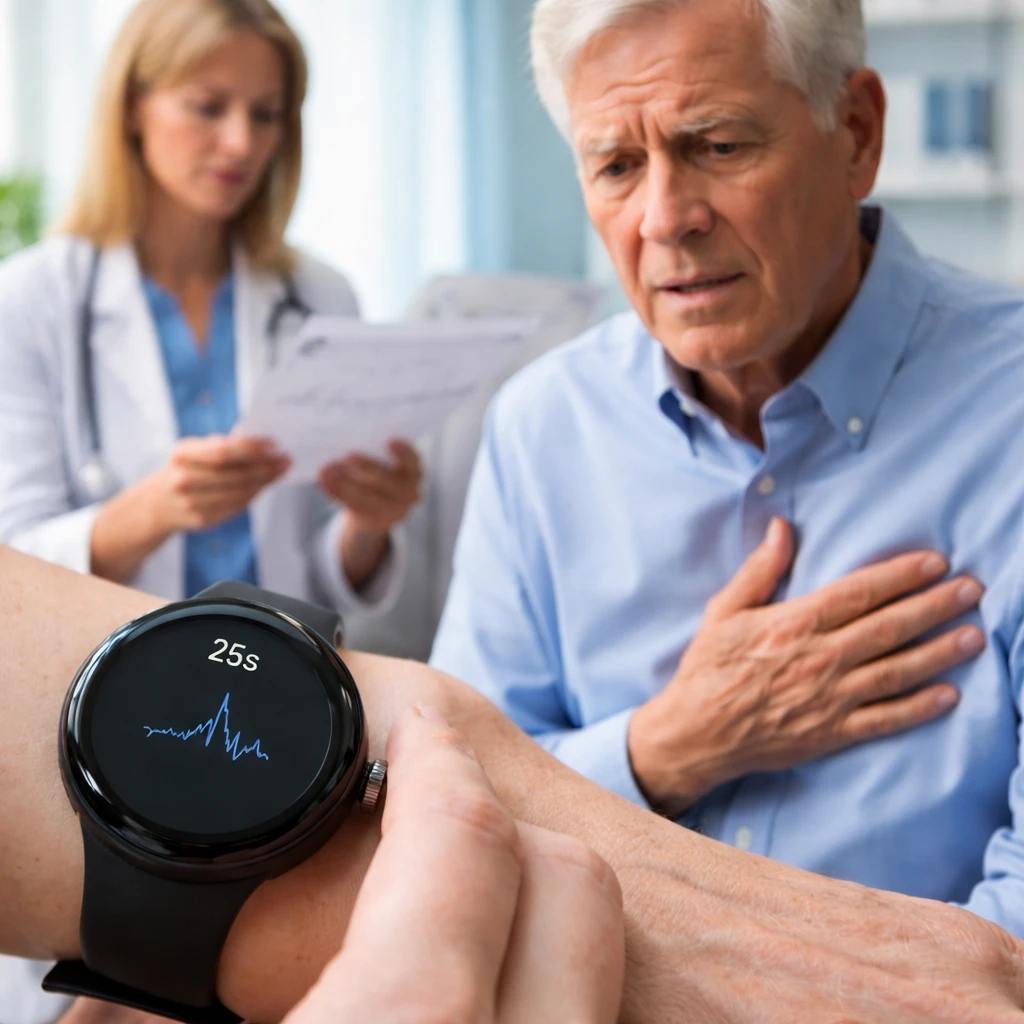

Daniel Moore experienced his first episode of atrial fibrillation (A-fib) around age 30 after a taxing, heated day when a cold glass of milk triggered an unsettling sensation he described as "a bunny rabbit trying to jump out of my chest." Now 60, Moore, a radiologist familiar with cardiovascular conditions, recognized the symptoms immediately as A-fib.
A-fib constitutes an irregular or quivering heartbeat that poses significant health risks, including the development of blood clots, strokes, and heart failure. Estimates indicate that over 10 million people in the United States are affected by this condition, predominantly older adults, and this figure is expected to rise in the coming years.
According to Dr. T. Jared Bunch, a cardiovascular researcher at the University of Utah and co-author of a book on A-fib, despite the growing incidence of the disorder, advancements in treatment offer optimism. "Even though we see more of the disease, we’re better at treating it," he explained.
A-fib occurs when the atria—the heart's upper chambers—lose alignment with the ventricles, or lower chambers, causing the heart to beat erratically. While some individuals remain unaware of any heartbeat irregularities, others experience severe symptoms such as palpitations and shortness of breath.
Moore shared, "I have no exercise tolerance during an episode. Running is out of the question, walking tires me quickly, and I sometimes feel light-headed when standing." In people with A-fib, heart rates can exceed 200 beats per minute, which is more than double the normal resting rate of 60 to 100 beats per minute for healthy adults.
The symptoms of A-fib may fluctuate and are not typically acutely life-threatening by themselves. However, the erratic beating can cause blood to pool in the heart and rapidly form clots, as quickly as within days or hours. These clots can migrate to the brain and cause strokes. Furthermore, A-fib can lead to ventricular fibrillation, a far more dangerous arrhythmia.
Diagnosis of A-fib is increasing, partly due to the widespread use of smartwatches and other heart-monitoring technology capable of detecting irregular rhythms. Many patients initially lack awareness of their condition, and a study by the American Heart Association found that more than half of individuals diagnosed with A-fib had not known they had it beforehand. Research links approximately 15% or more of strokes to A-fib, with that proportion increasing in older populations. This condition has contributed to an increase in U.S. stroke deaths over the past decade, although rates have declined somewhat recently.
Cardiac specialists attribute A-fib to damage in the atrial tissue and abnormalities in the heart's electrical signaling system. Contributing factors include genetic predisposition as well as chronic conditions such as hypertension and diabetes, and lifestyle elements like stress, smoking, alcohol use, and untreated sleep apnea. The accumulation of these factors over time makes the disorder predominantly a disease of the elderly, with about 70% of cases occurring in individuals aged 65 or older.
Viral infections represent additional risks because they can interfere with the proteins responsible for electrical conduction in the heart or trigger immune responses that damage cardiac tissue. COVID-19, among other viruses, has been implicated in causing A-fib in some patients. It is important to note that studies have found no evidence linking COVID-19 vaccinations to the development of A-fib, according to Dr. Jose Joglar, a Dallas-based cardiologist involved in crafting American Heart Association guidelines on A-fib.
Although there is no cure for A-fib, a range of treatments can help manage symptoms and reduce associated risks. According to Dr. Laurence Epstein, affiliated with Hofstra University and Northwell Health, treatment options have improved significantly over time due to technological advances. One common intervention is cardioversion, a procedure that delivers an electrical shock to the heart to restore normal rhythm. While effective, its results can sometimes be temporary.
Other patients may benefit from implanted medical devices. Pacemakers assist in maintaining steady heart rhythms, and the Watchman device, implanted in the atrium, helps seal off areas susceptible to clot formation.
Ablation therapy is another option involving the use of heat, cold, or electrical energy to create deliberate scars in heart tissue. These scars interrupt faulty electrical pathways causing irregular beats. Once considered a last resort, ablation has become a primary treatment for certain populations, including patients with heart failure, due to advancements in medical techniques.
Medications aimed at regulating heart rhythm or thinning the blood to prevent clots are widely used but may carry side effects that complicate their usage.
Preventative measures to reduce the risk of developing A-fib focus on adopting a heart-healthy lifestyle. This includes regular physical activity, adequate sleep, balanced nutrition, blood pressure management, and avoidance of tobacco and alcohol. While excessive caffeine intake has traditionally been discouraged, emerging research suggests that moderate consumption, such as one cup of coffee daily, may not exacerbate symptoms and might even reduce recurrence in some cases.
Amy Stahley, diagnosed with A-fib three years ago, emphasized the importance of promptly addressing symptoms. During an episode marked by a racing heart exceeding 150 beats per minute, she sought immediate hospital care. As a nurse and academic leader in health professions, she advises others to take irregular sensations seriously and seek medical evaluation.
Moore echoed the urgency, noting, "The longer you stay in A-fib, the more likely you are to remain in it indefinitely." He serves as a professor of radiology at UT Southwestern Medical Center in Dallas.