
Understanding Bomb Cyclones: How Rapid Pressure Drops Fuel Intense Winter Storms
December 29, 2025
News & Politics

Understanding Bomb Cyclones: How Rapid Pressure Drops Fuel Intense Winter Storms

Exploring the Mechanics and Seasonal Patterns Behind Bombogenesis and Its Impact on Weather Conditions

Summary

A bomb cyclone is a rapidly intensifying storm marked by a steep drop in atmospheric pressure, leading to severe weather phenomena including heavy snow, strong winds, and blizzard conditions. These storms primarily develop in colder months when arctic air masses collide with warmer air, producing powerful low-pressure systems that affect several North American regions. Understanding the nature and occurrence of bomb cyclones is essential to anticipate their effects on environmental and economic sectors.

Key Points

Bomb cyclones develop when a storm's central pressure plunges by at least 24 millibars within 24 hours, a process called bombogenesis, signaling rapid storm intensification.
These storms predominantly occur during fall and winter months as cold Arctic air interacts with warmer air masses, contributing to strong low-pressure systems.
Regions of North America most susceptible to bomb cyclones include Alaska, the Pacific Northwest, and the Great Lakes, while they are uncommon in southern states.

When weather forecasts predict strong winds combined with significant snowfall, meteorologists might describe the system as a storm poised to "bomb out" or become a bomb cyclone. This term refers to a specific meteorological event known as bombogenesis, which is characterized by an exceptionally rapid decrease in the storm's central atmospheric pressure – at least 24 millibars within a 24-hour period.

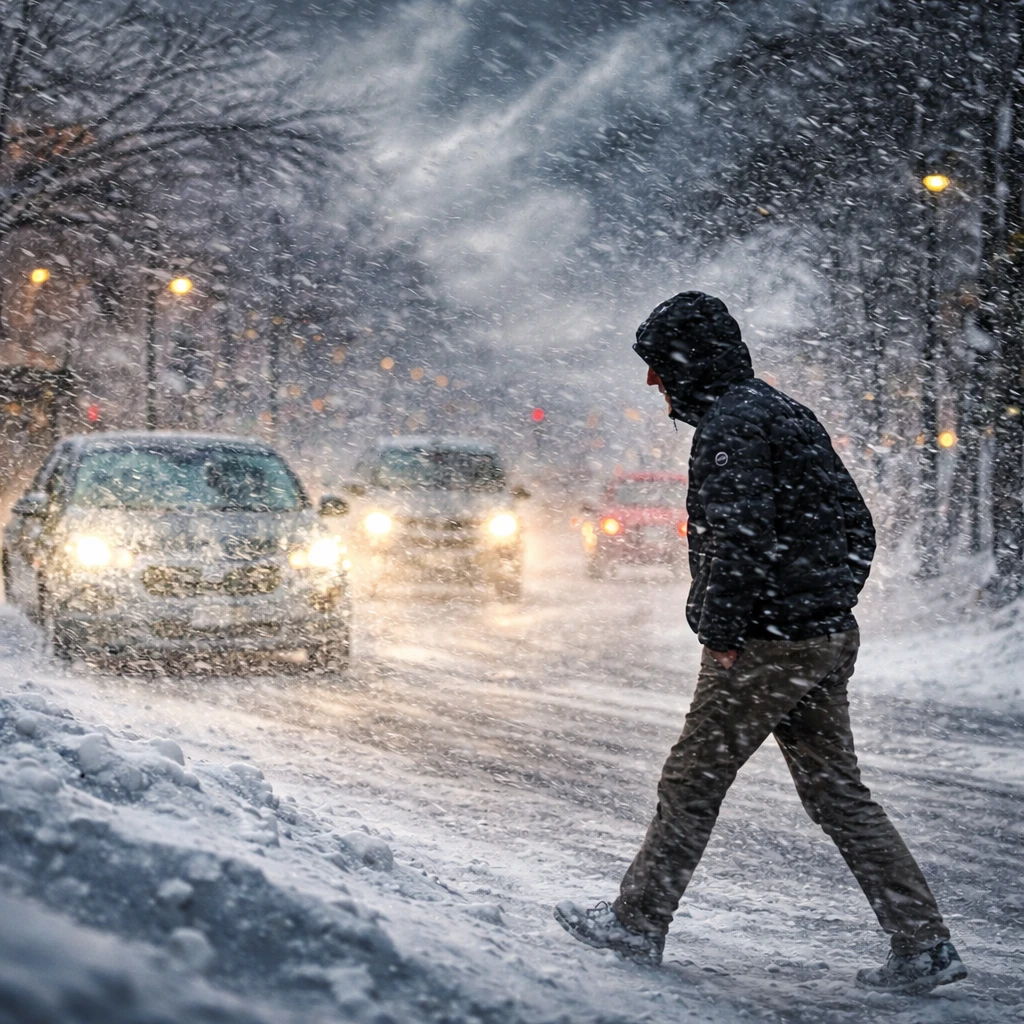
The intensity of a storm is closely tied to its central pressure, with lower values signifying increased strength. In the case of bomb cyclones, this swift intensification can result in a potent combination of heavy precipitation, blizzard-like conditions, and powerful winds. Such extremes often lead to hazardous situations, including the toppling of trees and widespread power disruptions.

Andrew Orrison, a National Weather Service meteorologist based in College Park, Maryland, explains that hearing the term "bomb cyclone" during a weather broadcast indicates the presence of dynamic and potentially destructive atmospheric activity.

Bomb cyclones are not confined to a single season but most frequently occur during the fall and winter months. This timing corresponds with the southward movement of cold Arctic air, which converges with warmer air masses from lower latitudes. This interaction helps to create and deepen strong low-pressure systems in the affected regions.

Orrison points out the significance of these colliding air masses: "It’s really the clash of those air masses that really kind of helps to generate the areas of low pressure in the first place." The resulting low-pressure zones are a defining characteristic of bombogenesis events.

In North America, areas such as Alaska, the Pacific Northwest, and the Great Lakes region are especially prone to experiencing bomb cyclones due to their geographic and climatic conditions. Conversely, such events are rare in the southern United States, as the latitude and typical weather patterns there do not favor the development of these intensely low-pressure systems.

Overall, understanding the development and implications of bomb cyclones is crucial for preparedness in both public safety and infrastructure resilience. The rapid intensification of these storms poses direct challenges for power and utility sectors due to the risk of outages and damage, as well as broader economic impacts associated with transportation and emergency response operations.

Risks
  • Bomb cyclones can lead to dangerous conditions such as high winds and heavy snow, increasing the risk of property damage, downed trees, and power outages, impacting utilities and infrastructure sectors.
  • The rapid onset and severity of these storms challenge emergency management and transportation systems, posing risks to public safety and economic continuity.
  • Limited occurrence of bomb cyclones in lower latitudes means systems there may be less prepared for sudden intense storm events, causing potential underestimation of risks in those areas.
Disclosure
This article is provided solely by the author and reflects a professional analysis of meteorological phenomena without external influence. The information included is factual and based on current meteorological understanding without external speculation or endorsement.
Search Articles
Category
News & Politics

News & Politics

Related Articles
FDA Initiates Review of BHA Food Additive Safety

The U.S. Food and Drug Administration (FDA) has announced plans to conduct a comprehensive reassessm...

Partisan Divide Deepens as White House Excludes Democratic Governors from NGA Meeting

The longstanding bipartisan forum of the National Governors Association (NGA) is facing disruption a...

Using Fireplace Ashes in Your Garden: Benefits and Considerations

Amidst a notably cold winter leading to increased fireplace use, many homeowners are seeking sustain...