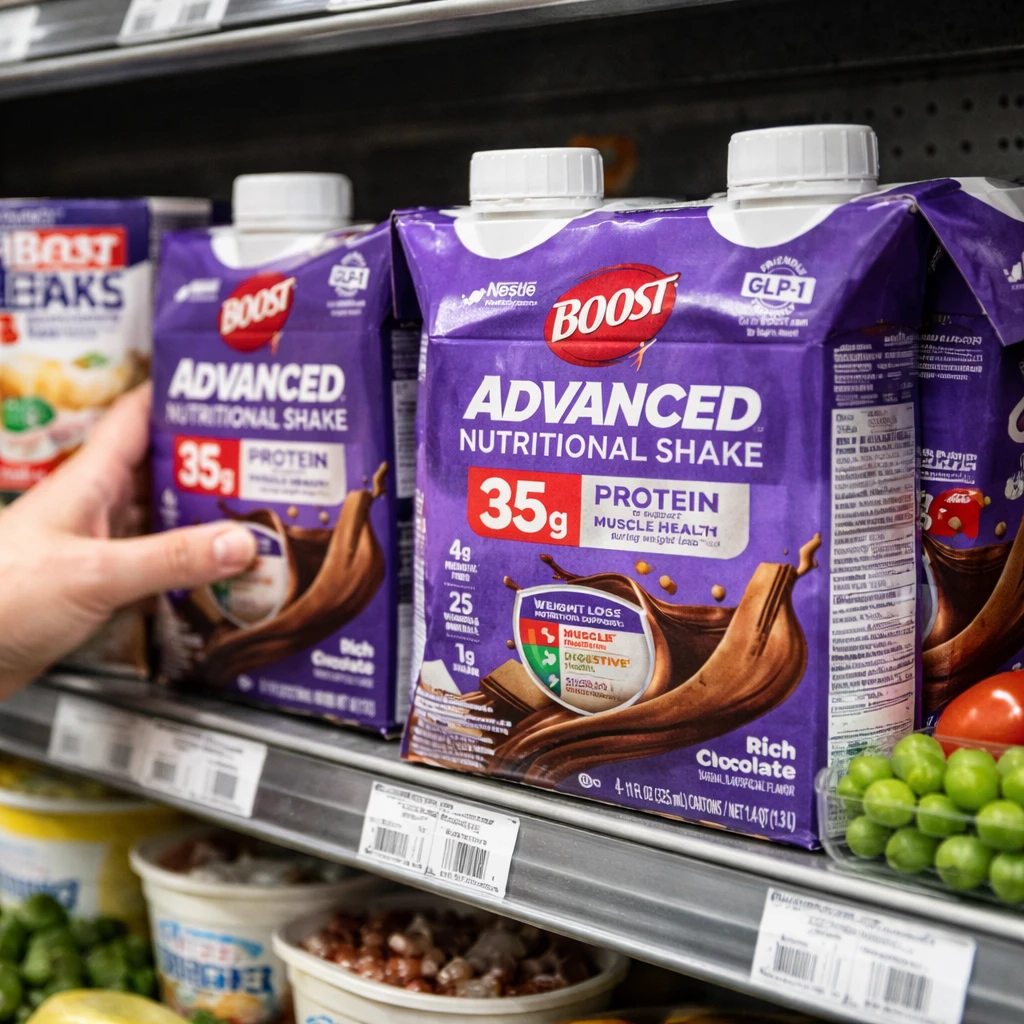

Supermarkets across the United States are increasingly offering meals and snacks bearing “GLP-1 Friendly” labels, corresponding with a rise in the number of Americans using obesity drugs such as Wegovy and Zepbound. These medications, which mimic a hormone naturally produced in the small intestine, help control appetite and promote weight loss. While the drugs themselves have regulatory oversight from the U.S. Food and Drug Administration (FDA), the food packaging labels advertising compatibility with GLP-1 users are not regulated by the FDA.
Nutrition experts caution that individuals using GLP-1 receptor agonists should carefully examine ingredient lists and consult healthcare professionals to ensure their dietary intake meets their specific nutritional needs. Suzy Badaracco, a registered dietitian and president of Culinary Tides, a food trends forecasting firm, highlights that “a drug does not educate you on how to eat properly,” underscoring that without medical guidance, users might lack critical knowledge on healthy eating habits despite using such medications.
Nutritional Demands for GLP-1 Users
According to Shannon Christen, a registered dietitian and diabetes educator at UCHealth University of Colorado Hospital, the nutritional requirements for individuals on GLP-1 medications largely align with those of the general population. However, because these drugs significantly suppress appetite—reducing food intake to roughly half of prior consumption—the foods consumed must be highly nutrient-dense. Christen advises, “Every bite needs to be nutritious.”
Maintaining muscle mass during weight loss is a critical concern. Christen recommends a protein intake of 20 to 30 grams per meal or approximately 1.2 grams per kilogram of body weight daily. Samantha Snashall, a registered dietitian at Ohio State University’s Wexner Medical Center, echoes this and stresses the importance of dietary fiber. She suggests GLP-1 users aim to meet the USDA’s recommended daily fiber intake of about 14 grams per 1,000 calories. Fiber plays a general role in digestive health and is particularly valuable for those on GLP-1 drugs, as constipation is a common side effect resulting from the medication’s impact on the gastrointestinal system.
Badaracco further notes the risk of dehydration since GLP-1 medications may dull thirst signals. To counteract this, she recommends consuming fresh fruits and vegetables, known for their hydrating properties, alongside adequate water intake throughout the day. Additionally, Snashall advises avoiding foods that might exacerbate side effects or impede weight-loss efforts, particularly deep-fried items, those high in added sugars or saturated fats, and spicy or acidic foods.
Industry Response and Market Trends
The demand for GLP-1 medications is expected to grow, boosted by the recent availability of oral forms like the newly released Wegovy pill. Correspondingly, food manufacturers are targeting this emerging market segment. Nestle launched its Vital Pursuit frozen meal brand in late 2024, aiming at GLP-1 users. Although the brand did not initially feature “GLP-1 Friendly” labels, consumer feedback led to their addition to packaging to help customers quickly identify suitable options. Jennifer Barnes, Nestle’s vice president of brand marketing for frozen meals, reports robust sales and expanding product offerings, noting that 77% of Vital Pursuit's purchasers do not currently use GLP-1 drugs.
Similarly, Conagra Brands introduced the “GLP-1 Friendly” claim on 26 Healthy Choice frozen meals in early 2025. Other players include Smoothie King, which offers a “GLP-1 Support Menu,” and meal kit providers such as Factor with their “GLP-1 Balance” options. These labels have been approved by the U.S. Department of Agriculture’s Food Safety and Inspection Service, provided they include clear accompanying information about protein and fiber content and are not misleading. However, the USDA clarified that it does not have standardized definitions or regulatory criteria for the term “GLP-1 Friendly.”
Some companies focus on meeting GLP-1 user preferences without explicitly referencing the drugs on packaging. French yogurt producer Lactalis introduced Ratio Pro Fiber yogurt in the U.S., formulated to benefit GLP-1 users by delivering 20 grams of protein and 10 grams of fiber per serving. Restaurant chains including Chipotle and Shake Shack have launched protein-focused menu items, acknowledging GLP-1 user needs in their development strategies.
Scrutiny of Food Labeling and Ingredient Composition
Packaged meals can be advantageous for GLP-1 users who live independently or prefer minimal cooking, says Snashall. Nevertheless, she urges consumers to remain vigilant regarding added ingredients such as excessive sugars or sodium, which might undermine health goals. Labels may sometimes create the impression that a product is healthier than it truly is, leading to potential misunderstandings.
For example, Nestle’s Vital Pursuit Cauliflower Crust Three Meat Pizza boasts 400 calories and provides 32% of the recommended daily protein value but also contains 40% of the daily recommended sodium and saturated fat. Christen recommends that GLP-1 users limit fat intake to less than 10 grams per serving, as fats can exacerbate symptoms like nausea and acid reflux; this pizza contains 18 grams of fat.
Similarly, Smoothie King’s 20-ounce Gladiator GLP-1 Vanilla smoothie contains more calories, sodium, and cholesterol than a Krispy Kreme original glazed donut. Christen stresses the importance of portion control and nutrient density for foods labeled as “GLP-1 Friendly,” advocating for responsible labeling that supports smart dietary choices without reducing complex medical therapies to dieting trends.
Expert Recommendations on Labeling Practices
Badaracco advises food producers against using “GLP-1 Friendly” labels, as the absence of standardized definitions could confuse consumers. She warns that such labeling might imply that consuming certain frozen or ready-made meals can replicate the benefits of the drugs, which is misleading. Instead, she suggests labels focus on clear consumer benefits such as protein and fiber content, hydration, flavor, and sustained energy, guiding consumers toward informed decisions aligned with their nutritional needs.
This report is part of a broader wellness series that examines current topics surrounding fitness, diet, mental health, and the evolving interplay between medical treatments and nutrition.