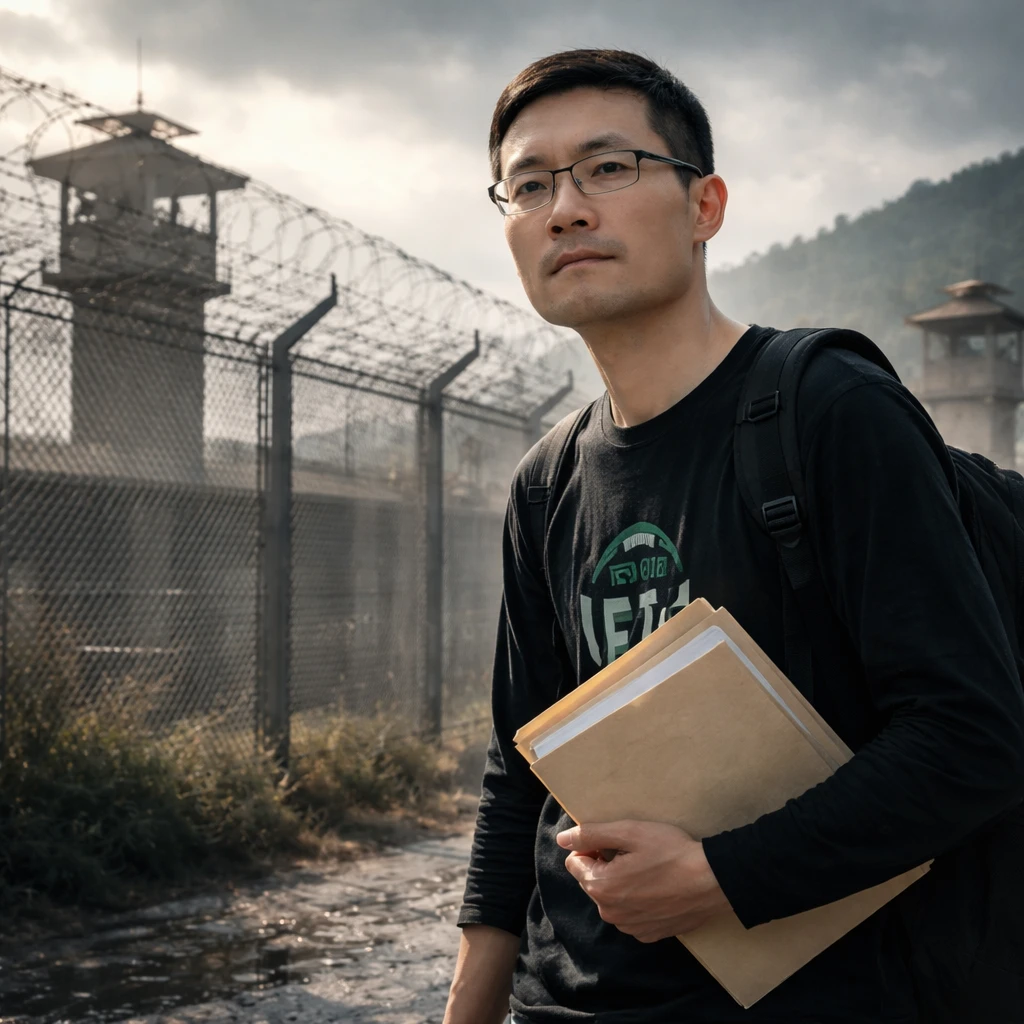
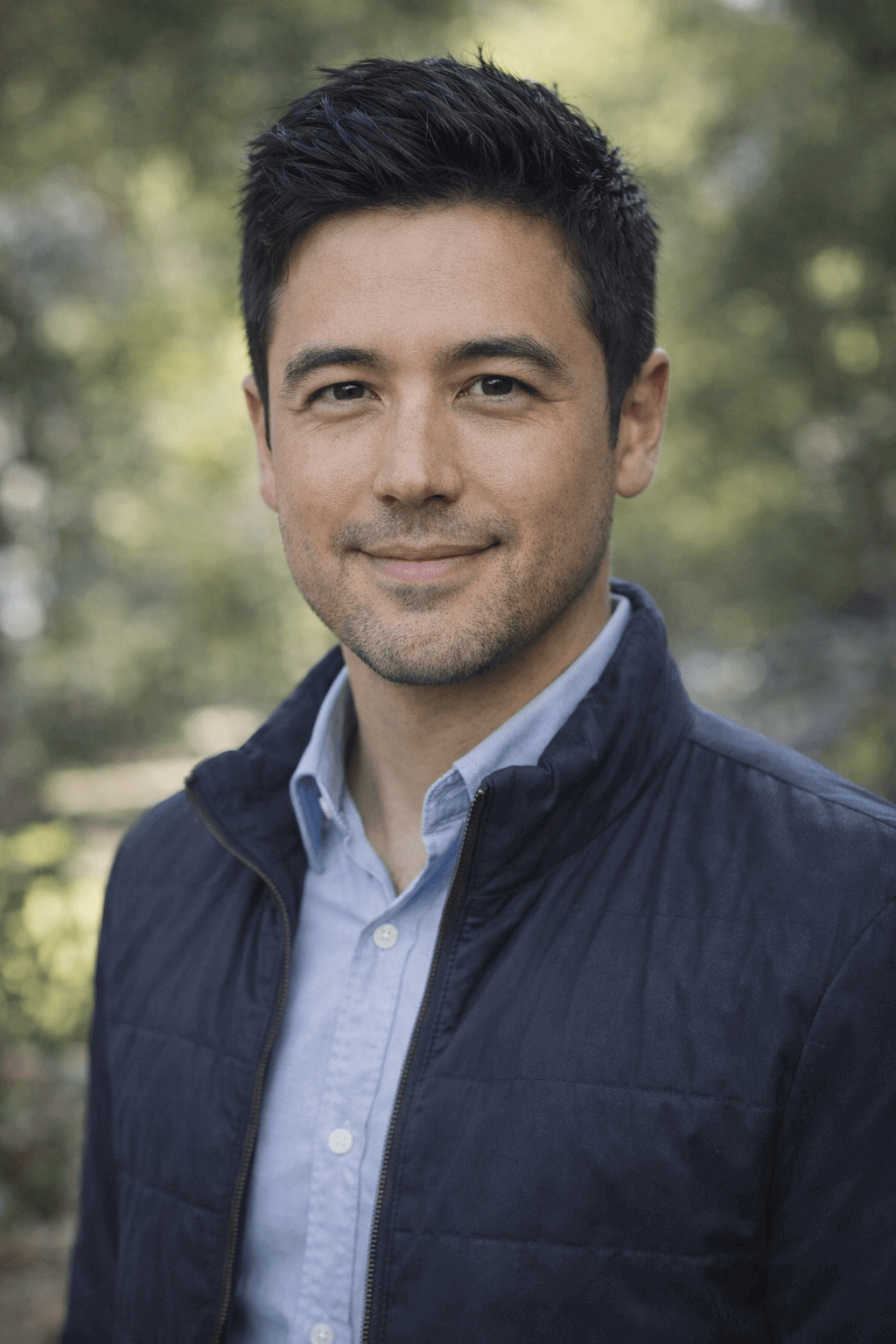
In a significant ruling on Wednesday, an immigration judge in Napanoch, New York, approved asylum for Guan Heng, a 38-year-old Chinese national who documented and exposed human rights abuses within detention centers in the Xinjiang region of China. The judge concluded that Guan faced a "well founded fear" of persecution upon return to his home country.
Guan sought asylum after arriving illegally in the United States in 2021. His detention commenced in August 2021 during a broader immigration enforcement initiative tied to a deportation strategy intensified under the previous U.S. administration. Initial efforts by the Department of Homeland Security (DHS) aimed to deport Guan to Uganda; however, this plan was abandoned in December amid mounting public concern and congressional attention surrounding Guan's case.
In 2020, Guan clandestinely recorded facilities in Xinjiang that reportedly involve the detention of up to one million ethnic minorities, predominantly Uyghurs. The footage added to a growing collection of evidence cited by activists as indicative of systemic rights violations in the region.
During his hearing, Guan was questioned about his motives for filming these detention centers, especially given that he disseminated the video shortly before fleeing to the United States. Guan denied any intention to leverage the footage as grounds for asylum, emphasizing his sympathy for the oppressed Uyghur population.
He recounted his escape route, which included transit through Hong Kong, Ecuador—selected for its visa-free policy for Chinese nationals—and the Bahamas. Guan disclosed that he published much of his video documentation on YouTube prior to undertaking a hazardous boat journey to Florida in October 2021. He stated he was uncertain if he would survive the passage, underscoring his determination to ensure the footage reached an international audience.
Following the publication of the videos, Chinese authorities summoned Guan's father for questioning on three separate occasions, illustrating the extent of surveillance and pressure exerted on family members of dissidents.
The Chinese government maintains that the facilities in Xinjiang serve vocational training purposes aimed at skill development and deradicalization, rejecting allegations of human rights abuses. It also employs a range of restrictive measures to suppress opposition and control narratives.
In his closing statements, Guan’s legal representative, Chen Chuangchuang, asserted that Guan's case exemplifies the foundational need for asylum provisions. Chen emphasized that both moral and legal obligations compel the United States to grant protection under asylum statutes.
Judge Charles Ouslander, presiding over the case, affirmed Guan's credibility and legal eligibility for asylum. He acknowledged the tangible risks Guan faced from the Chinese government, highlighting previous interrogations targeting Guan’s family and investigations into his activities.
This favorable decision stands out against the backdrop of historically low asylum approval rates during the recent U.S. political climate, which saw acceptance rates diminish from 28% in the period between 2010 and 2024 to approximately 10% in 2025, according to data from Mobile Pathways, a nonprofit supporting immigrants through the judicial process.
Notably, Guan remains in custody as the Department of Homeland Security has indicated its intent to potentially appeal the ruling, with a 30-day window to lodge such an action. Judge Ouslander recommended expedited consideration by DHS, pointing out Guan's approximately five months of detention time thus far.