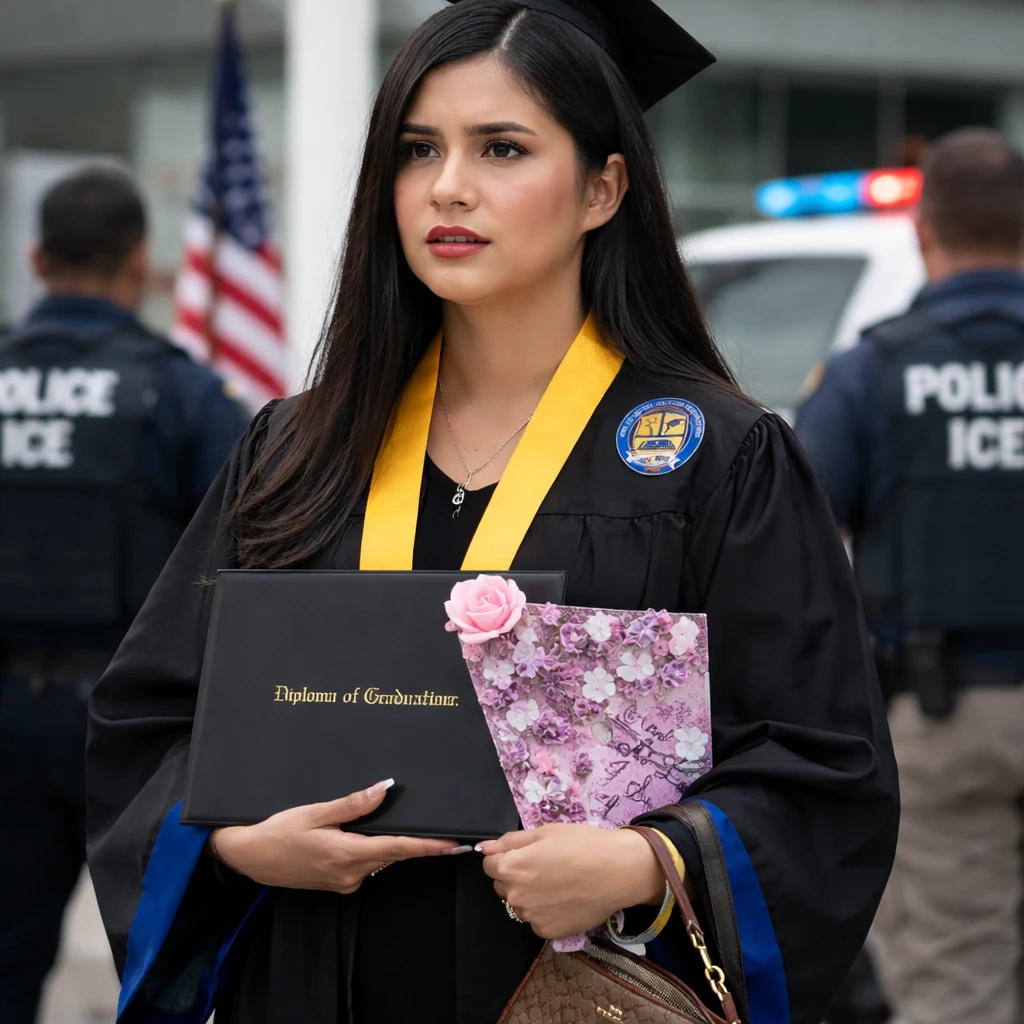

In a recent federal hearing held in Boston, the US government publicly apologized for the deportation of 19-year-old Ana Lucia Lopez Belloza, a freshman studying at Babson College, Massachusetts. Lopez Belloza was detained on November 20 at Boston's airport while attempting to fly home to Honduras for Thanksgiving and was deported two days later, despite a November 21 emergency court order mandating that she be held within the United States for at least 72 hours.
Lopez Belloza’s family originally emigrated from Honduras to the United States in 2014. Following her deportation, she has been residing with her grandparents and continuing her studies remotely, with recent visits to family members in El Salvador. Authorities confirmed that she is currently not in detention.
This case echoes a pattern of deportations carried out in disregard of judicial orders. Notably, individuals such as Kilmar Abrego Garcia and a Guatemalan man known as O.C.G. were removed despite court rulings barring such actions. The administration previously resisted efforts to reverse these removals, only complying after pressure from higher courts, including the US Supreme Court.
During the hearing, government attorneys argued the federal court lacked jurisdiction, citing the fact that Lopez Belloza’s legal representatives filed their motion hours after her arrival in Texas en route out of the country. Acknowledging the breach, the government maintained that the incident was attributable to a "mistake" by a deportation officer rather than intentional defiance of the judicial order.
Assistant US Attorney Mark Sauter expressed regret on behalf of the government, stating that the enforcement officer had erroneously believed the court order was no longer applicable once Lopez Belloza left Massachusetts. The officer neglected to activate an internal ICE system designed to flag cases under judicial review, which would have halted removal proceedings.
In sworn court documents submitted on January 2, the ICE officer conceded failing to alert the agency’s enforcement office in Port Isabel, Texas, to cancel the deportation operation. He explained his understanding that the judge's directive ceased once Lopez Belloza was out of state.
The government defends the legality of the deportation by referencing an order from an immigration judge in 2016 that authorized the removal of Lopez Belloza and her mother. Additionally, the Board of Immigration Appeals dismissed their appeal in 2017. Prosecutors maintain that Lopez Belloza had the opportunity to file further appeals or seek a stay of removal but did not take these actions.
Conversely, attorney Todd Pomerleau, representing Lopez Belloza, contends that the deportation was a direct violation of the November 21 court order, undermining her due process rights. He expressed disappointment in the government’s failure to exercise leniency by reinstating the student, emphasizing the seriousness of disregarding a court mandate.
Presiding US District Judge Richard Stearns described the incident as a "tragic" example of bureaucratic error. While recognizing the government’s acknowledgment of fault, the judge appeared reluctant to hold the department in contempt, citing a lack of intentional misconduct. He also questioned the court’s jurisdiction over the matter, noting the timing of the court filings relative to Lopez Belloza’s transfer to Texas.
Judge Stearns observed that despite no fault being assigned, Lopez Belloza suffered as a consequence of this mishandling. He suggested the student explore alternative immigration pathways, such as applying for a student visa. Meanwhile, Pomerleau suggested a potential resolution could involve permitting Lopez Belloza to return to the US to complete her education while working to reopen the underlying removal proceedings.