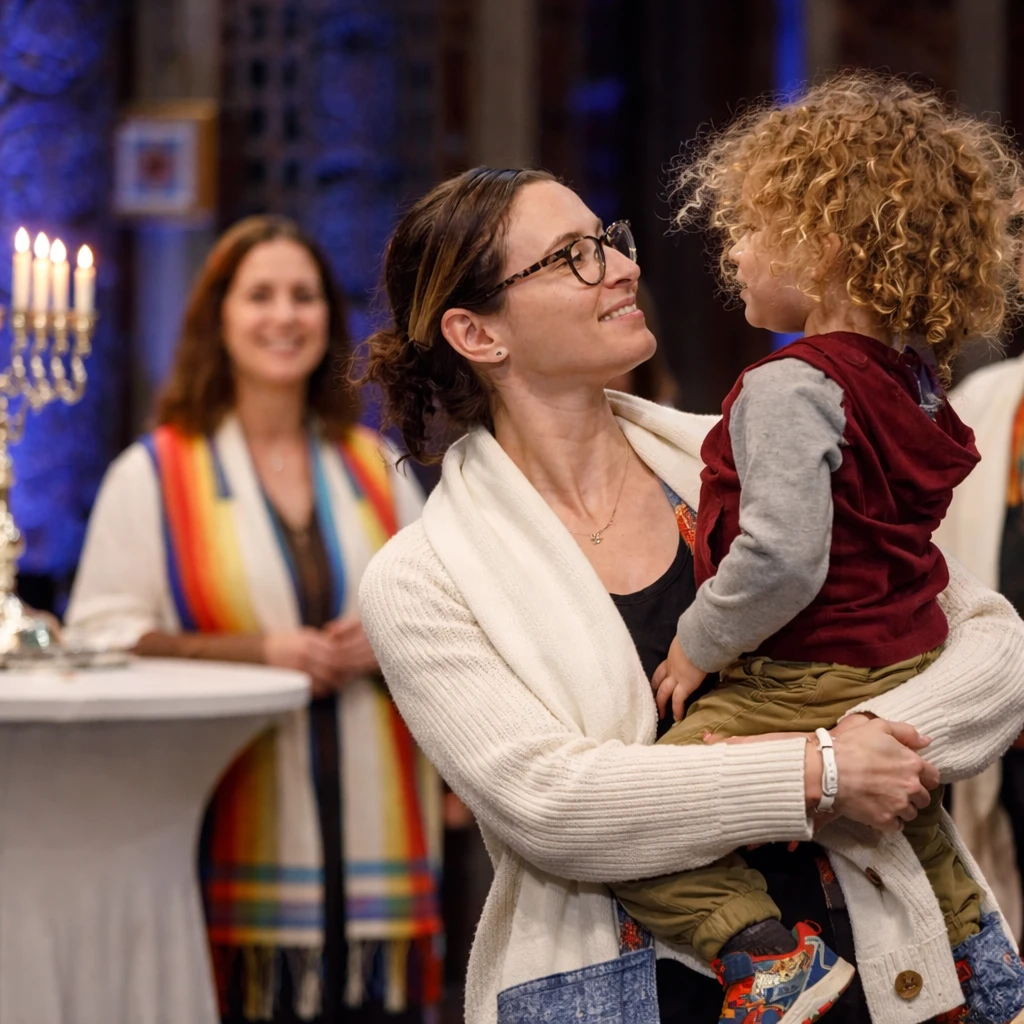
Rabbi Laura Geller reflects on her groundbreaking ordination in 1976 when she stood as the sole woman in her 30-person class at Hebrew Union College. As one of the earliest female rabbis within the Reform Jewish Movement, Geller takes pride in having contributed to dismantling longstanding gender barriers and facilitating progress toward inclusivity within the rabbinate. Half a century later, she observes a markedly transformed environment where increased representation has become the norm rather than the exception.
Today, the American rabbinate exhibits unprecedented diversity, particularly in gender and sexual orientation. Many women who entered the clergy in earlier decades now witness the expansive opportunities that their successors, including LGBTQ+ individuals, can access. "Women have transformed Judaism," stated Geller, now rabbi emerita at Temple Emanuel of Beverly Hills. She noted that various Jewish movements have come to recognize the need to evolve in response to the inclusion of women's voices, which were historically marginalized.
Within American Judaism, the Orthodox branches generally maintain prohibitions against women serving as rabbis, with some rare exceptions. Contrastingly, the Reform and Conservative movements, representing the majority of U.S. Jewish adherents, alongside the growing nondenominational sectors, endorse women's rabbinical ordination.
Janet Krasner Aronson, interim director of the Cohen Center for Modern Jewish Studies at Brandeis University, commented on this trend, attributing the diversification within the clergy to the evolving demographics of the broader Jewish population. "Many individuals entering the rabbinate come from varied backgrounds and seek to introduce innovative perspectives," she explained.
Rebecca Weintraub, an associate rabbi at New York's B’nai Jeshurun synagogue and among several women serving there, has directly observed these generational shifts. She remarked on the changing perceptions of rabbinic identity among younger Jews, noting that whereas previous generations might have envisioned rabbis predominantly as men, younger individuals increasingly associate the role with women.
Research conducted by Atra: Center for Rabbinic Innovation, an organization dedicated to supporting and educating Jewish spiritual leaders, substantiates this diversification. Their recent survey, encompassing rabbis, students, and institutions, reveals that although men remain the majority within the non-Ultra Orthodox rabbinate totaling over 4,000 individuals, women now constitute a significant minority. In rabbinical schools aligned with non-Orthodox denominations, female students actually form the majority. The community also reflects increased participation from LGBTQ+ Jews, Jews of color, and those from interfaith families.
Rabbi Shira Koch Epstein, Atra’s executive director, noted the new inclusivity, stating, "We observe opportunities now available to groups previously excluded from rabbinic roles. Although gender parity has not been fully achieved, the presence of women in seminaries has grown considerably." Among the current students is Sarah Livschitz, who relocated from New Zealand to Los Angeles for her studies at Hebrew Union College, where her cohort consists exclusively of women. She expressed that female rabbinical leadership feels commonplace in her experience, contrasting with perceptions from even a decade or two ago.
Despite the advancements, challenges to integration persist. Eleanor Steinman, senior rabbi of Temple Beth Shalom in Austin, Texas, views the increasing diversity as indicative of a dynamic and thriving rabbinate. However, she warns that some institutions, including synagogues, may not be fully equipped to support this breadth of backgrounds. Steinman, who is openly gay and advocates for LGBTQ+ rights within the Jewish community, highlights the ongoing adjustments required.
Rabbi Tiferet Berenbaum of Temple Beth Zion in Brookline, Massachusetts, who was ordained in 2013 and has undertaken substantial anti-racism work, recounted concerns from her rabbinical school days about employment prospects, especially as a Black woman. Her apprehensions centered more on racial identity than on gender. In her early career serving congregations in Wisconsin and New Jersey, Berenbaum confronted residual patriarchal norms, including inadequate accommodations for motherhood and traditional expectations linked to rabbis’ spouses. She emphasized that earlier female rabbis were often accepted conditionally and pressured to conform to male-associated models of religious leadership, whereas the current generation is more freely expressing their authentic identities.
Many current rabbinical students acknowledge that the pathways carved out by pioneering women and LGBTQ+ clergy have eased their journey. Sarah Rockford, an LGBTQ+ seminarian at the Conservative movement's Jewish Theological Seminary in New York, remarked on the recognition and acceptance of her leadership without it being viewed as exceptional based solely on gender or sexual orientation. She credits mentors like Rabbi Rachel Isaacs, the first openly gay rabbi ordained by the Conservative seminary in 2011, for shaping a more inclusive community.
The role of a rabbi remains both deeply rewarding and demanding. Felicia Sol, who became the first woman to serve as senior rabbi at New York’s historic B’nai Jeshurun synagogue, highlighted the fulfillment derived from guiding congregants through pivotal life events, including education, spiritual leadership, and ritual observance, even as the responsibilities can be taxing.
Many rabbis face significant pressures related to societal divides and geopolitical issues, such as the recent Israel-Hamas conflict. These stresses contribute to burnout and emotional exhaustion, with blurred boundaries between personal and professional life reported as a common challenge. Isaacs pointed out that managing these demands can be difficult given the intensity and ubiquity of their work. Steinman similarly described the commitment as overwhelming at times, noting limited personal days require resilience and perseverance.
Despite these hurdles, there is optimism about the future of Jewish spiritual leadership. Rockford expressed hope that the trend toward broader representation will continue, strengthening communities and enhancing their capacity to thrive across the coming century through the varied experiences and perspectives of diverse leaders.