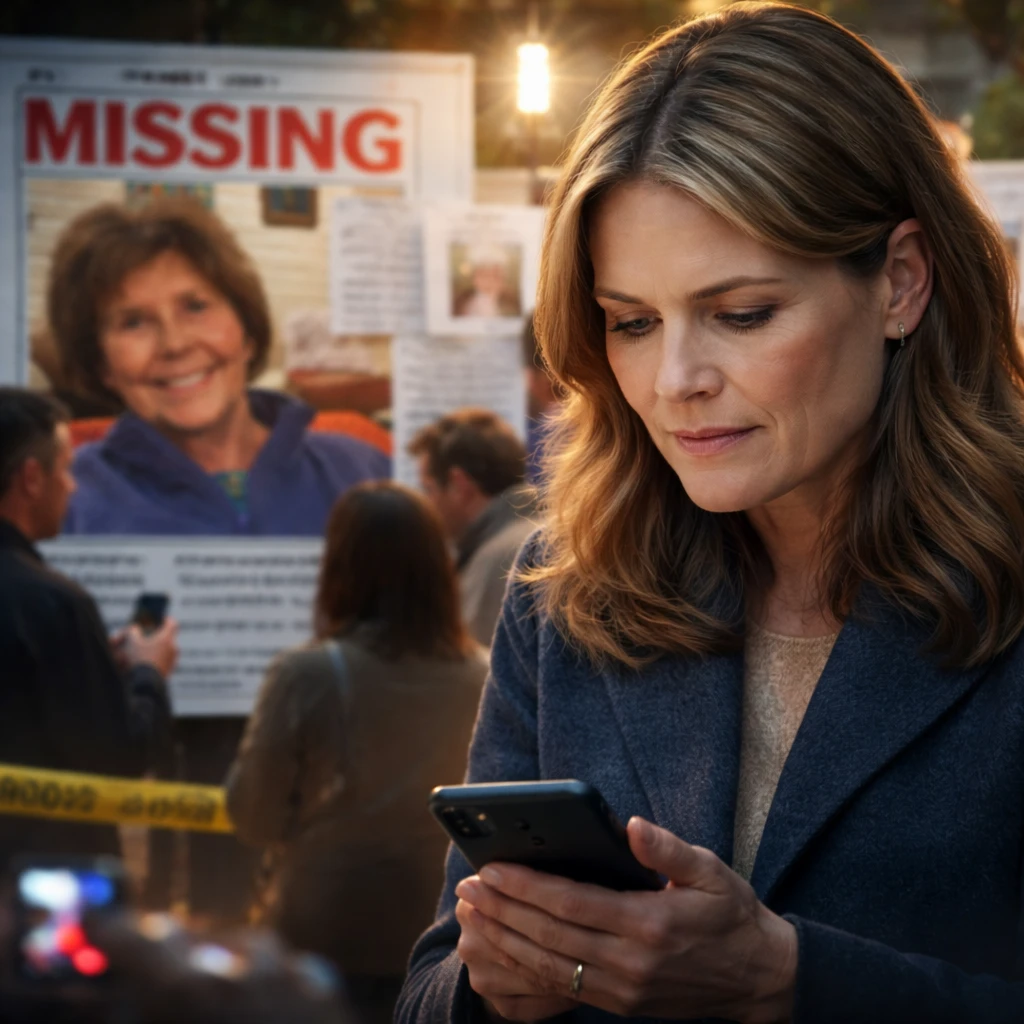

The recent disappearance of Nancy Guthrie, the mother of 'Today' show anchor Savannah Guthrie, has provoked an extensive reaction across social media platforms. Shortly after reports emerged about the alleged abduction of the 84-year-old woman from her residence near Tucson, Arizona, numerous users shared detailed timelines and graphic images, including photos of blood discovered at her home, later confirmed to belong to Nancy Guthrie.
In response to the situation, influencers and individuals have posted videos exploring her neighborhood and marking certain people connected to the case as suspicious. This massive online engagement reflects a continuation of the growing trend where observers transform into amateur detectives, intensely scrutinizing unfolding criminal investigations.
Despite an absence of named suspects or persons of interest, social media channels such as Instagram, TikTok, X, Facebook, and YouTube have magnified the reach of information, spreading both verified tips and unsubstantiated theories about her disappearance. Authorities have had to frequently intervene to clarify inaccuracies, underscoring the difficulties of controlling rumor while attempting to protect the investigation's integrity.
Michael Alcazar, an adjunct professor at John Jay College of Criminal Justice and a former detective with the New York Police Department, comments on the situation, noting the net positive effect of widespread online attention. He notes that increased public awareness can promote vigilance, raising the likelihood that witness sightings or relevant information will be reported to law enforcement.
Alcazar draws parallels to the 2021 case of Gabby Petito, where the involvement of the online true crime community is believed to have played a role in locating her remains. Though the FBI did not specify what ultimately led to the discovery, social media's role in disseminating images and potential leads was significant.
He observes that law enforcement must adapt to the growth of the true crime community, acknowledging that many members earnestly seek to contribute positively to cases. However, this engagement comes with risks.
The proliferation of misinformation has been a repeated complication in the Nancy Guthrie case. Ashleigh Banfield, an anchor from a cable news network, initially reported on her podcast that a family member might be the primary suspect, a claim later tempered when she noted that law enforcement often first scrutinizes relatives. Nonetheless, this assertion spread rapidly online, accompanied by the circulation of photographs.
Pima County Sheriff Chris Nanos explicitly addressed these rumors during a news conference, reaffirming that no suspects or persons of interest have been identified and implored social media users to exercise caution. He warned that unfounded information could damage both the case and individuals involved, describing social media as "kind of an ugly world sometimes."
Additionally, social media content has included more subjective inputs such as personal feelings about Guthrie's whereabouts and even astrological speculation on the circumstances surrounding her disappearance. Such contributions raise concerns about the potential interference with official investigative procedures.
Calvin Chrustie, an expert with over thirty years' experience in negotiations related to kidnappings and extortion, commented on the impact of unchecked public speculation. He highlighted that unverified postings can hinder law enforcement efforts and exacerbate the stress on families involved, complicating the goal of safe resolution.
Julie Urquhart, a school teacher from Canada, has taken to TikTok, Instagram, and Facebook to share information on the case, motivated by personal identification with Guthrie's mother’s age and the seemingly untraceable nature of the disappearance. Her posts, sourced from national news reports and official statements, have attracted millions of views, emphasizing the breadth of public engagement.
Urquhart reflects on the scale of awareness generated, suggesting that millions of viewers now carry knowledge of the case, potentially enhancing the search effort through community vigilance. The extensive response illustrates the complex interplay between social media platforms, public consciousness, and ongoing criminal investigations.