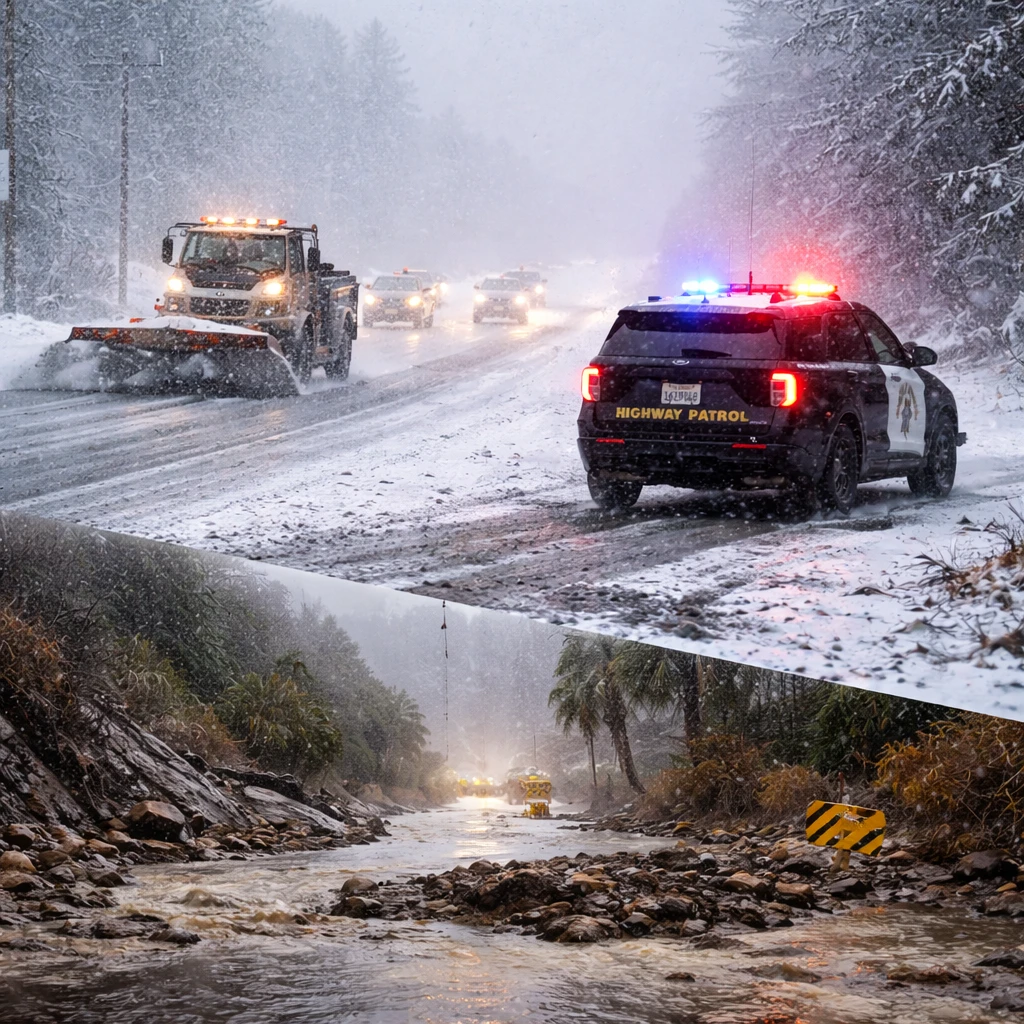

As holiday travelers braved the roads and airports between Christmas and New Year's, a winter storm swept through the Northeastern United States and the Great Lakes, resulting in more than 1,000 flights being canceled or delayed due to snow and deteriorating weather conditions.
New York City was blanketed with approximately 10.2 centimeters (4 inches) of snow from late Friday night into early Saturday morning, slightly less than some weather forecasts had predicted. According to flight tracking data from FlightAware, over 1,500 cancellations were reported starting Friday night. However, by Saturday morning, both roadways and air routes were beginning to clear, allowing for some recovery in travel operations.
Bob Oravec, a meteorologist with the National Weather Service based in Maryland, described the decline in storm intensity. "The storm is easing up now, with just some light snow flurries remaining in the Northeast this morning," he noted.
Oravec indicated that the weather system was progressing from the northwest towards the southeast. Snow accumulations reached beyond 15 centimeters (6 inches) in central-eastern Long Island within New York's metropolitan area. Further north, in the Catskill mountain region, communities recorded snowfall totals as high as 25 centimeters (10 inches).
During this period, three major airports serving the New York metropolitan region—Newark Liberty International Airport, John F. Kennedy International Airport, and LaGuardia Airport—issued warnings on the social media platform X, alerting travelers to the potential for flight interruptions caused by the inclement weather.
The National Weather Service cautioned residents across a broad zone ranging from the Great Lakes through the northern Mid-Atlantic and southern New England about hazardous travel conditions, particularly concerning the risk of tree damage and power outages.
In Times Square, city workers clad in red uniforms were actively engaged in clearing snow and slush from streets and sidewalks using shovels and snow blowers. Holiday visitor Jennifer Yokley, traveling from North Carolina, expressed delight at witnessing the festive snow accumulation covering buildings, trees, and signage throughout the city. "I thought it was absolutely beautiful," she commented.
Visitors Payton Baker and Kolby Gray, who were visiting from West Virginia for their third anniversary, described the snowfall as an unexpected but charming addition to their holiday experience. "It is quite cold, and the snow was not something we anticipated," Baker remarked. "The city is handling the situation well by salting roads and ensuring safety, which is appreciated."
In anticipation of the storm's impact, New York Governor Kathy Hochul declared a state of emergency covering more than half of the state’s counties. Similarly, New Jersey’s Acting Governor Tahesha Way also issued a state of emergency declaration. Way emphasized the threat posed by the storm with a statement: "This storm will create dangerous road conditions and disrupt holiday travel. We urge travelers to avoid journeying during the storm and to allow road crews to operate uninterrupted. Drivers should plan accordingly, stay informed about road closures and conditions, and adhere strictly to safety measures."
In contrast, the western part of the country, specifically California, experienced relatively dry weather over the weekend following several days of intense storms that caused widespread flooding and mudslides. Tragically, at least four fatalities were reported, including a man found deceased on Friday in a partially submerged vehicle near Lancaster, according to the Los Angeles County Sheriff’s Department.
Mountainous regions of California received between 25 and 45 centimeters (10 to 18 inches) of rainfall over a three-day span, peaking on Christmas Eve, as reported by National Weather Service meteorologist Rose Schoenfeld. Rainfall amounts varied across the state’s populated areas, with the Los Angeles basin receiving up to 10 centimeters (4 inches) and substantial precipitation in coastal zones.
Significant property damage occurred in Wrightwood, a mountain town of about 5,000 residents located roughly 130 kilometers (80 miles) northeast of Los Angeles. Flooding and landslides transformed roads into impassable rivers and buried vehicles beneath rocks and other debris.
Following these weather events, California was forecasted to experience Santa Ana winds, with gusts potentially exceeding 96 kilometers per hour (60 miles per hour) in mountainous regions between Sunday night and Tuesday, raising concerns about potential tree damage and power outages. Rainfall was expected to return later in the following week.
The developments highlight the diverse and challenging weather conditions affecting both coasts of the United States during this traditionally busy travel period, with agencies and officials advising caution and preparedness to minimize risks to public safety and infrastructure.