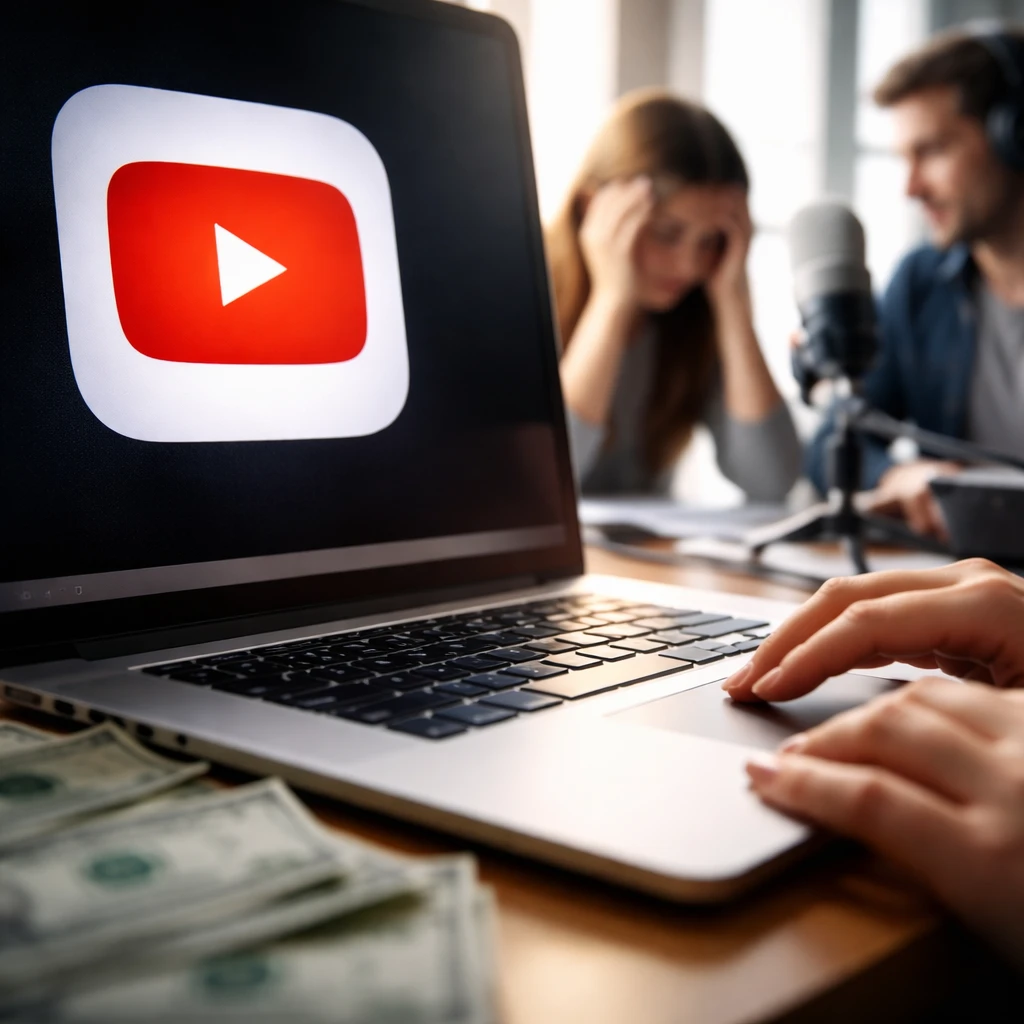

YouTube has introduced modifications to its advertising policy, aimed at broadening monetization eligibility for videos that explore sensitive topics in a non-graphic manner. The platform's revised guidelines, which took effect on Tuesday, explicitly include content featuring dramatizations or discussions of issues such as domestic abuse, self-harm, suicide, adult sexual abuse, abortion, and sexual harassment, so long as they omit explicit descriptions or imagery.
Despite the relaxation, videos addressing topics like child abuse, child sex trafficking, and eating disorders will continue to have monetization limitations in place, reflecting ongoing caution around these highly sensitive areas. These changes were detailed in an informational video released on YouTube's Creator Insider channel and are accompanied by updated advertiser-friendly content guidelines that specify precise definitions and illustrative examples.
Conor Kavanagh, YouTube's head of monetization policy experience, emphasized in the announcement that the aim is to balance creator earnings with advertiser preferences and industry standards. He noted that a re-evaluation revealed the prior policies had been excessively restrictive, often demonetizing content such as dramatized portrayals unnecessarily.
Expanding on the revision, YouTube now also includes personal narratives relating to these sensitive subjects, preventive content, and journalistic reports as eligible for full ad revenue, provided the presentation remains free of graphic details.
Previously, YouTube did not factor the extent of explicitness in content as a determinant for advertiser friendliness, which led to broader demonetization of videos discussing these topics. In many cases, creators sought to circumvent the restrictions by employing coded language or alternative wording, exemplified by the widespread use of terms like "unalive" instead of direct mentions.
This policy adjustment follows earlier similar actions; for instance, in July, YouTube relaxed its stance on profanity in videos, allowing content containing strong language within the first seven seconds to qualify for full advertisement revenue.