
In a recent development within New York City’s housing administration, Mayor Zohran Mamdani has expressed unequivocal support for Cea Weaver, a tenant activist recently appointed to lead the Mayor’s Office to Protect Tenants. Weaver’s tenure has come under intense scrutiny after historic social media posts resurfaced containing controversial views, including calls for treating private property as a collective resource and suggesting that homeownership serves as a mechanism of white supremacy.
Weaver’s appointment, announced last week, is part of Mamdani’s broader commitment to intensify efforts against landlords with negligent practices. The mayor has promised decisive and unprecedented measures to strengthen tenant protections. Nonetheless, the appearance of Weaver’s comments on platforms dating back to 2017 has sparked condemnation from various quarters, notably officials at the U.S. Department of Justice and the editorial board of The Washington Post, amplifying the spotlight on Mamdani's administration.
Among the highlighted social media content were tweets advocating for the redistribution of private property and specifically stating intentions to economically disadvantage the white middle class. One 2017 tweet characterized homeownership as a tool of systemic white supremacy disguised under the guise of policies aimed at wealth accumulation.
Eric Adams, the immediate past mayor of New York City and fellow Democrat, publicly criticized these past statements, describing them as reflective of "extreme privilege and total detachment from reality." Despite this, Mamdani maintained a stance focused on Weaver's ongoing work and her history of tenant advocacy rather than the disputed online remarks.
Responding to questions about the controversy, Mamdani chose not to address the content of the posts directly but praised Weaver’s longstanding commitment to defending tenant rights throughout New York City and beyond.
In a televised interview, Weaver herself acknowledged that some of the remarks were regrettable and did not align with her current perspectives. She affirmed her commitment to ensuring safe and affordable housing options for all residents, regardless of ownership status, emphasizing her focused intent in her new role.
This episode follows a similar resignation within Mamdani's administration last month when Catherine Almonte Da Costa stepped down after the Anti-Defamation League publicized social media posts she had made more than ten years ago containing antisemitic content.
While Mamdani cited unawareness of Da Costa's prior comments, his spokesperson confirmed that Weaver's previous online statements were known before her appointment. Weaver’s background includes leadership of the influential Housing Justice for All coalition, credited with advancing significant tenant protection legislation at the state level in 2019.
In her executive capacity, Weaver is expected to be instrumental in fulfilling one of Mamdani’s more contentious campaign promises: targeting landlords who fail to comply with regulations by compelling them to negotiate property sales to the city when they are unable to settle fines associated with violations. This "public stewardship" initiative has elicited concern from landlord groups and skepticism from some city officials.
Despite mixed reactions, the administration’s early actions suggest a firm commitment to this approach. Shortly after his inauguration, Mamdani declared that the city would undertake groundbreaking measures against a Brooklyn landlord whose property is in bankruptcy and who owes money to the municipality.
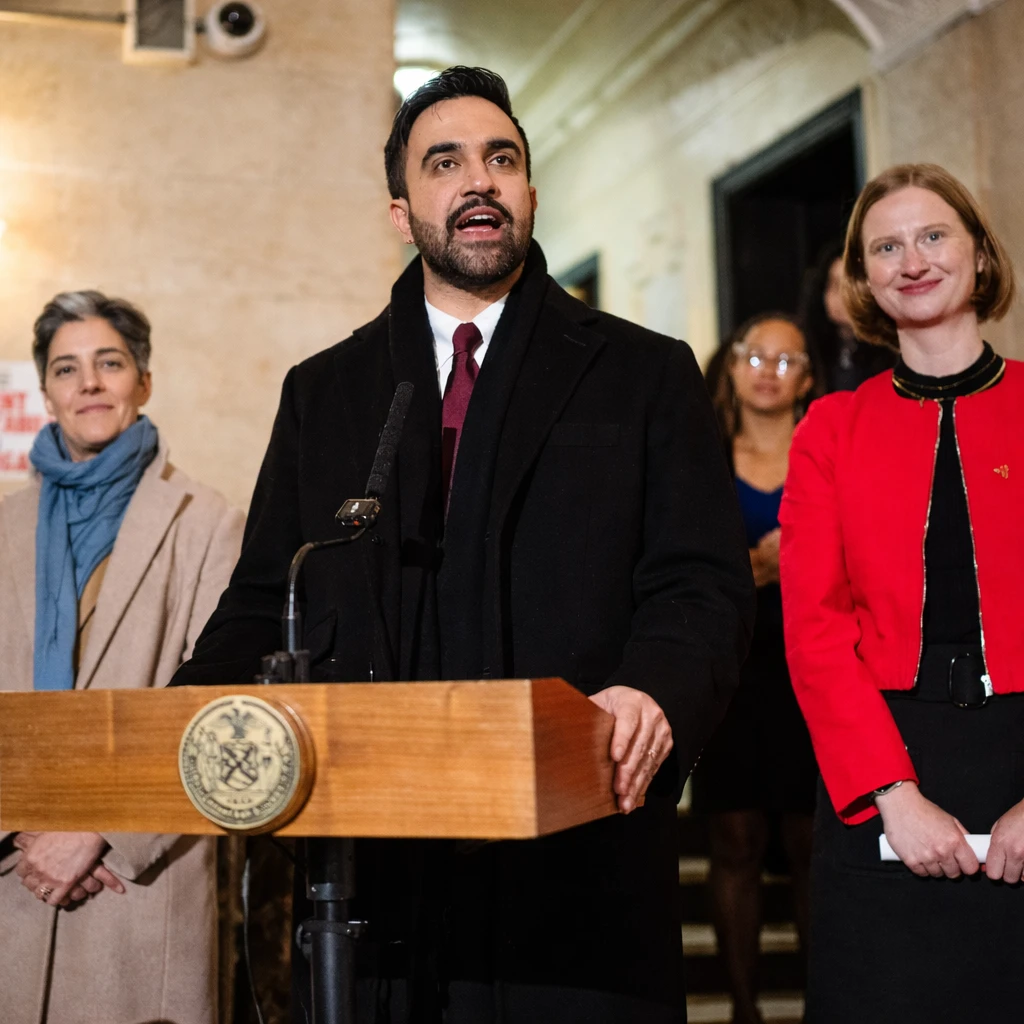
Following this announcement, Mamdani introduced Weaver’s appointment amid enthusiastic support from tenant advocates gathered at the affected building.
Weaver acknowledged the challenges ahead, noting the immense value of New York real estate and the political complexities inherent to the city’s housing landscape.